When is it Time for the Hot Water Heater Replacement?
Replacement of a hot water heater will come eventually because their average lifespan is from eight to ten years. Proper maintenance and good quality water heaters will lengthen that time. If a water heater is not correctly sized for the household or the family is large, the added use can shorten a water heater’s life. If a home has untreated hard water, it can cause faster build-up in the water heater and shorten its life or cause additional service calls.
What are the signs that a water heater needs replacing?
- The water heater is over ten years old and needs significant repairs.
- The home is running out of hot water more quickly than expected.
- The water heater is not in the best location, and because of this, it takes a long time for water to heat up in most-used places, like a bathroom sink, shower, or kitchen sink.
- The water, gas, and electric bills start to go way up for no reason other than a faulty water heater.
No Hot Water
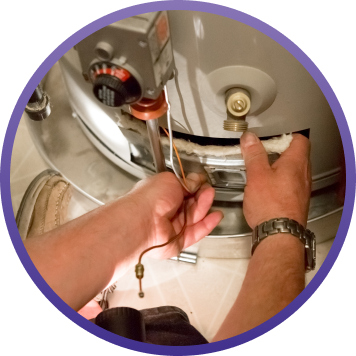
A complete lack of hot water can indicate several different possible problems with your hot water heater. The causes for a gas unit that does not generate hot water might be the pilot light that does not fire, a lack of gas flow, or a thermocouple that does not know the pilot light is on. An electric heater that is producing no hot water could be due to a tripped breaker, failure from heating elements or the limit/reset switch not working on the thermostat. A trained professional can identify the problem and take care of the repair in order to restore hot water to the home.
Little Hot Water
If it seems that the home is always ending up with no hot water, the tank could be too small for the needs of the home or there could be a defective part that needs to be replaced. Sometimes the thermostat needs raising, especially in the winter months. Again, an expert technician will be able to identify and resolve the problem.
Discolored Water
If you ever see that your water looks strange in terms of color, there are a few things that could be wrong. If the discoloration is a rust-color, this may mean the anode rod is corroded. Replacing the rod with a new one should solve the problem. However, if the corrosion is left alone it may require a total replacement due to increased damage
If your water appears dirty but not rusty, that could be from scale deposits on your heating elements, or it could be minerals building up inside the unit itself. Proper servicing can help you avoid having too much buildup in your unit and keep it efficient.
Smelly Water
Water that smells sulfuric is a sign that water might be contaminated by bacteria. Replacing the anode rod can help you solve the issue. Heating the unit to 140 degrees should eliminate any bacteria left in the water tank.
Strange Noises
The noises of popping, banging, hissing, or knocking from a water heater mostly indicate that inside the tank or on the heating elements there is too much deposit buildup. When such a thing happens, you will get a less efficient unit.
Leaks
When there is a leak coming from a unit, this can be a bad sign. If the problem comes from the top of the unit, loose pipes or a faulty valve may be at fault. If the water heater is leaking from the bottom, it could be from over-pressurization, a loose drain valve, condensation, or a corroded tank. When the tank is cracked or corroded, this may signify a need for a total replacement.
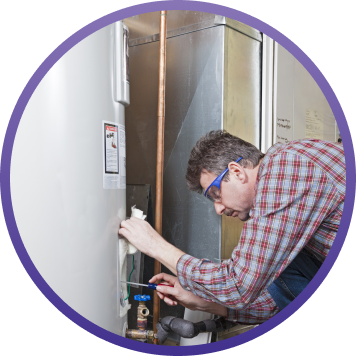
When the water heater is not working properly, call for service before your home is without hot water. Replacing an old, worn-out water heater before it stops working is the best idea because no one wants to go without hot water while the plumbing company waits for a replacement and schedules the service call. Whether you choose to install a traditional hot water heater or a tankless hot water heater trust Uplift Plumbing, Heating & Air.




 Today
Today
